Tearing Through Alpine Passes with Heavy Cargo – The Truck Simulator: Heavy South DLC

The virtual trucking space has long been dominated by general haulage simulators, but my hands-on time with Heavy Cargo – The Truck Simulator and its substantial Heavy South DLC along with Update 1.3.0 completely redefined my appreciation for specialized logistical simulation. Stepping into the cab for this expansion, I was immediately struck by how developers tox² interactive GmbH and publisher Aerosoft doubled down on technical immersion and environmental verticality. The base game built a foundation around specialized heavy haulage mechanics, but this southern expansion pushes driving physics, route planning, and mechanical coordination to an entirely new tier.

Navigating massive trailers loaded with multi-ton industrial equipment across narrow mountain passes requires absolute concentration and precise speed control. The Heavy South DLC doubles the existing open-world map, integrating 31 handcrafted unlockable missions alongside countless procedural jobs in economy mode. Sitting behind the wheel with my controller connected via USB, the enhanced haptic feedback immediately feedback loops every subtle shift in asphalt quality, curb clip, or tire slip. This is not a casual cruiser; it is a meticulous, technical, and deeply satisfying execution of heavy equipment transport.

Visual Fidelity, Expanded Horizons, and Technical Rendering Enhancements

Taking my first job in the newly expanded southern region revealed a drastic leap in graphical rendering and visual distance. Update 1.3.0 brings a massive technical upgrade by increasing the draw distance to an impressive 16 kilometers both in-game and within photo mode. Looking out across the expansive alpine vistas, the distant mountain peaks and dense valley foliage render crisp and clear without visible pop-in, creating an incredible sense of scale while descending winding mountain roads. The foliage system itself received a thorough overhaul with denser vegetation models, improved ground foliage, and higher-resolution bark and leaf textures that react dynamically to environment lighting.

Cabin management and spatial awareness receive a vital technical boost through the newly introduced virtual right-side mirror feature. Navigating an oversized low-loader around a tight, single-lane right turn previously required constant manual camera repositioning; enabling the virtual right-side mirror gives immediate sight lines along the entire length of the trailer structure. Combined with the brand-new top-down overhead camera available for every truck chassis in the fleet, backing up 50-meter trailer combinations into tight loading zones becomes a game of geometric precision rather than guesswork. Memory management and asset streaming have also been optimized, significantly shortening world loading times during region transitions.

Heavy Haulage Dynamics, Advanced Gearbox Tuning, and Weight Physics

Driving a heavy rig carrying industrial machinery requires a completely different approach to throttle application and braking distance than standard cargo hauling. In my extended test drives, the reworked automatic gear-shifting algorithms in Update 1.3.0 provided noticeably smoother torque delivery during steep incline climbs. The transmission holds lower gears longer when sensing heavy load resistance, preventing momentum loss while towing massive loads up 12% grade mountain climbs. The steering wheel force feedback and controller vibration rumble curves have been refined to convey axle load distribution directly to your hands.

The weight physics convey a real sense of inertia where every braking point must be calculated hundreds of meters in advance. The DLC introduces three specialized trailer configurations designed specifically for high-capacity freight: the Train Trailer, the Log Transport Trailer, and the Semi Low-Loader. Towing over 20 new cargo categories—ranging from multi-section aircraft fuselages and railcars to heavy mining excavators and agricultural machinery—radically changes the center of gravity and swing radius of your vehicle. Skirting the edge of a mountain cliff while pulling a massive piece of mining equipment demands constant micro-adjustments to prevent the trailer wheels from dropping over the shoulder.

Handcrafted Missions, New Delivery Hubs, and On-Foot Maintenance Tasks

The 31 new handcrafted missions integrated into the main career campaign offer structured, highly technical logistical puzzles that seamlessly scale with your driver progression. My journey took me through six meticulously designed industrial hubs: an Aircraft Factory featuring huge turning aprons, a remote Sawmill tucked deep into dense pine forests, a high-capacity Freight Rail Yard, a bustling River Port, a coastal Marina, and a sprawling underground Mining Museum. Each location presents unique spatial constraints, requiring precise approach angles to park and detach complex multi-axle trailers without damaging infrastructure.

What sets this title apart from standard transport games is the interactive preparation phase before and during transit. Step out of the cab as an on-foot operator to handle manual logistics tasks, such as taking site measurement photos, setting up security markers, and adjusting route barriers. The Heavy South DLC adds a brand-new route mission type: operating a truck-mounted crane to tow away illegally parked passenger cars blocking narrow mountain turns. Securing the crane, hoisting obstructing vehicles out of the turn radius, and stowing the equipment before continuing the haul adds a layer of operational realism rarely seen in the genre.

Driving Mechanics, Performance Stability, and Final Verdict

Every aspect of Heavy Cargo – The Truck Simulator: Heavy South comes together to form a highly immersive and technically demanding simulation experience. The combination of refined transmission physics, expanded draw distances, specialized trailer physics, and interactive route clearance mechanics delivers a deep sense of accomplishment after successfully completing a complex haul. Update 1.3.0 smooths out core gameplay mechanics while the expansion doubles the sandbox area with challenging, high-altitude terrain. It stands as a comprehensive, highly detailed, and deeply rewarding journey for anyone fascinated by the true complexities of heavy transport.

Cinderia Hands-On Experience: Why This Dark Fantasy Roguelite Stole My Hours

My journey into the ash-covered realms of Cinderia started with simple curiosity, but it quickly turned into an absolute obsession. Developed by MyACG Studio, this fast-paced action roguelite takes the satisfying room-to-room momentum of titles like Hades, layers on the atmospheric charm of Darkest Dungeon, and injects a level of build freedom that feels genuinely wild. From the moment I stepped into its ruined fairytale setting, the sheer responsiveness of the combat and the depth of its mechanics hooked me for dozens of hours.

The core appeal of my time with the game comes down to its incredible fluid performance paired with deep customization systems. Every run feels like an opportunity to break the game in a completely new way, testing my reflexes against punishing enemy encounters while constantly fine-tuning active abilities, passive traits, and gear synergies.

Masterful Combat Mechanics and Responsive Controls

From my very first dive into the dungeons, the tight control scheme impressed me immediately. Combat in Cinderia feels razor-sharp, offering instant response times, fluid dashes, and animation cancels that allow for aggressive playstyles. I never felt like a hit taken was unfair or caused by input lag; whether I was dodging through a wall of projectiles or parrying a massive boss slam, success always came down to my own execution.

The movement system encourages staying in motion at all times, making every room a high-speed arena of tactical positioning. The instant dash mechanics provide crisp invulnerability frames, allowing me to dive straight through hazardous attack zones to land a decisive backstab or discharge a close-range combo without breaking my momentum.

Massive Roster Diversity and Character Customization

Playing through the game’s four distinct playable adventurers revealed just how much variety MyACG Studio built into the experience. Rather than offering minor stat variations, each character alters the moment-to-moment combat loop entirely, backed by a personal pool of over 180 skills.

Rue the Assassin

My runs with Rue felt like a dance of lethal precision. Built as a high-mobility rogue, her playstyle revolves around shadow clones, teleportation, rapid dagger strikes, and poison stacks. Upgrading her abilities allowed me to warp across whole rooms, dropping backstabs before enemies could even turn around to face me.

Rivet the Cannoneer

Switching over to Rivet shifted the experience into complete chaotic destruction. Armed with heavy firearms and deployable turrets, her kit thrives on screen-clearing AoE blasts, rapid attack speed buffs, and automated suppressive fire. Laying down multiple turrets and watching them obliterate entire waves while I circled the arena was easily one of my favorite strategies.

Uma the Summoner

Uma brings a fascinating nature-focused setup, summoning ethereal companions like owls, dogs, and hedgehogs to control the field. Managing her resource meter requires careful balancing between melee charges and ranged setup skills, allowing her beast army to trap targets in damaging roots and continuous physical attacks.

Isdra the Frost Knight

Isdra completely satisfied my craving for counter-based, high-risk gameplay. Built as a heavy frost paladin, her core kit revolves around directional shields, precise parries, and freezing hazards that lock down whole groups of enemies. Successfully timing her parry against a boss’s multi-hit sequence to unleash a massive frost explosion felt incredibly rewarding every single time.

Overpowered Synergies and Deep Build Crafting

What kept me pressing “one more run” late into the night was the absurd level of build synergy available during every dive. With over 130 pieces of relics and gear scattered throughout the dungeons, combining stats with active spellcards creates endless chain reactions. The game actively encourages you to push equipment combinations past normal limits to create absurdly powerful setups.

The stat distribution system breaks down cleanly across Strength, Agility, and Intelligence, directly driving parameters like raw physical power, crit chance, attack speed, and ability cooldown reduction. On top of standard stat boosts, the gear pieces feature unique passive proc effects. I spent hours testing how gear procs interacted with specific active ability upgrades, turning basic attacks into multi-elemental screen-clearing storms.

The Taint System and Risk-Reward Dynamics

One of the most engaging mechanics I experienced during my runs is the Taint system, which adds a clever layer of risk management to character progression. Every powerful skill card or dark corruption spell you absorb slowly fills up a corruption meter on your hero.

If you greedily grab every single power-up without planning, maxing out the meter triggers severe random curses and debuffs. This constant tension between stacking immense power and managing your character’s mental and physical corruption forces you to think critically about every single reward choice after clearing a room.

Immersive Atmospheric Design and Presentation

The visual aesthetic of Cinderia caught my attention right away with its distinct blend of dark fairytale grimness and stylized sprite art. The environments feel atmospheric and crumbling, covered in ash and ember effects that look gorgeous during intense battles without causing unnecessary visual clutter on screen during standard rooms.

Complementing the dark visuals is an outstanding soundtrack. The music seamlessly shifts from somber orchestral melodies during sanctuary visits to intense, choir-heavy tracks during boss encounters. The audio feedback during combat gives every sword strike, cannon blast, and magic burst a heavy, satisfying punch that elevates the overall pace of the game.

Meaningful Hub Progression and Meta Systems

Dying in Cinderia never felt like wasted time, largely thanks to the sanctuary meta-progression hub. Between runs, I used collected resources to upgrade facilities, expand my base, unlock permanent stat bonuses, and discover new gear items to pollute the dungeon loot pool for future attempts.

The monastery and sanctuary upgrades offer steady, long-term progression that helps mitigate tough runs without making the core gameplay feel like an endless, artificial grind. Upgrading food buffs, unlocking extra revive charges, and meeting new supporting NPCs in the hub provided a great sense of ongoing growth throughout my hours with the game.

Outstanding Performance Across Hardware

Running the game across multiple setups proved how well-optimized the experience is right out of the gate. On PC, the frame rates remained smooth even during late-stage boss fights packed with dozens of enemy minion spawns and overlapping spell effects.

The experience translated seamlessly to handheld play on the Steam Deck as well. Holding a steady 60 FPS across most biomes with minimal power draw, the fluid controls and short 35-to-45-minute run structure make it an ideal title for portable play sessions.

Final Summary

Cinderia delivers an exceptional action roguelite experience that stands tall alongside the best titles in the genre. My time spent navigating its dark fairytale world was defined by incredibly fluid combat controls, massive character variety across its four distinct heroes, and an addicting web of build synergies that make every run feel completely fresh. The masterfully crafted risk-reward mechanics, coupled with rewarding hub progression and a powerful soundtrack, keep the gameplay loop endlessly engaging. For anyone who loves fast-paced dungeon crawling, deep theorycrafting, and responsive hack-and-slash action, Cinderia is an absolute must-play.

4PGP Four-Player Grand Prix Review: Fast, Accessible Racing That Needs More Depth

Fast Formula Racing Built for Everyone

4PGP Four-Player Grand Prix delivers exactly what its name promises: quick formula racing designed around local multiplayer. The game supports split-screen races for up to four players, alongside Remote Play Together for players who want to compete with friends online. Its structure is immediately accessible, with four difficulty levels named Rookie, Novice, Veteran, and Expert, plus an assist mode and a detailed tutorial. I appreciated how quickly I could start racing without spending time navigating complicated menus or adjusting dozens of technical settings. The controls are tight, acceleration and braking can be controlled through analogue inputs, and both keyboard and gamepad layouts can be remapped.

The pace is extremely fast, which creates a strong sense of speed even when the mechanical side of the driving remains relatively simple. The colorful art style, smooth animation, and wide selection of camera angles help every race feel energetic. 4PGP also targets 4K resolution at 60 frames per second, and the consistent performance makes steering through crowded corners feel responsive. From a presentation perspective, the game understands that arcade racing needs to look exciting from the first lap, and watching a full grid of cars accelerate together is easily one of its strongest moments.

Continue reading “4PGP Four-Player Grand Prix Review: Fast, Accessible Racing That Needs More Depth”

Microlandia Reinvents the City Builder Genre with a Brutally Honest Simulation of Modern Urban Life

The city-building genre has long invited players to create thriving metropolises filled with efficient transportation systems, expanding skylines, and prosperous citizens. However, most traditional city simulators simplify or entirely ignore the difficult realities that define modern urban management. Microlandia, developed by Berlin-based indie studio Information Superhighway Games, aims to change that formula with a socioeconomic simulation that places real-world challenges at the center of every decision.

Rather than focusing solely on expanding districts and balancing construction costs, Microlandia asks players to govern a living city where housing shortages, healthcare capacity, unemployment, public transportation, taxation, political approval, and financial sustainability all interact dynamically. Every policy decision has measurable consequences, creating one of the most technically detailed and politically driven city simulations currently available.

Continue reading “Microlandia Reinvents the City Builder Genre with a Brutally Honest Simulation of Modern Urban Life”

LANESPLIT: The Ultimate Flow-State Generator

My 1-Hour Stream Experience

I just wrapped up a solid one-hour livestream playing LANESPLIT, and I am absolutely blown away by how addictive this game is. If you’ve ever wanted to capture the pure, unfiltered adrenaline rush of weaving through tight highway traffic at 300 km/h without any real-world consequences, this is it. It is an absolute masterpiece of atmosphere, speed, and zen-like focus.

Continue reading “LANESPLIT: The Ultimate Flow-State Generator”

Kioku Last Summer Review: A Beautifully Nostalgic Childhood Adventure

On May 28, 2026, Assemble Entertainment and Norwegian indie developer Lugn Games launched their debut cozy adventure title on the Steam PC platform. Priced at a modest 14.99€, this project introduces players to an atmospheric, open-ended journey viewed through the lens of a young child. The game positions itself as a narrative-driven simulation of a mid-1990s Scandinavian summer, blending childhood wonder with distinct, collectible-driven progression systems that reward dedicated exploration.

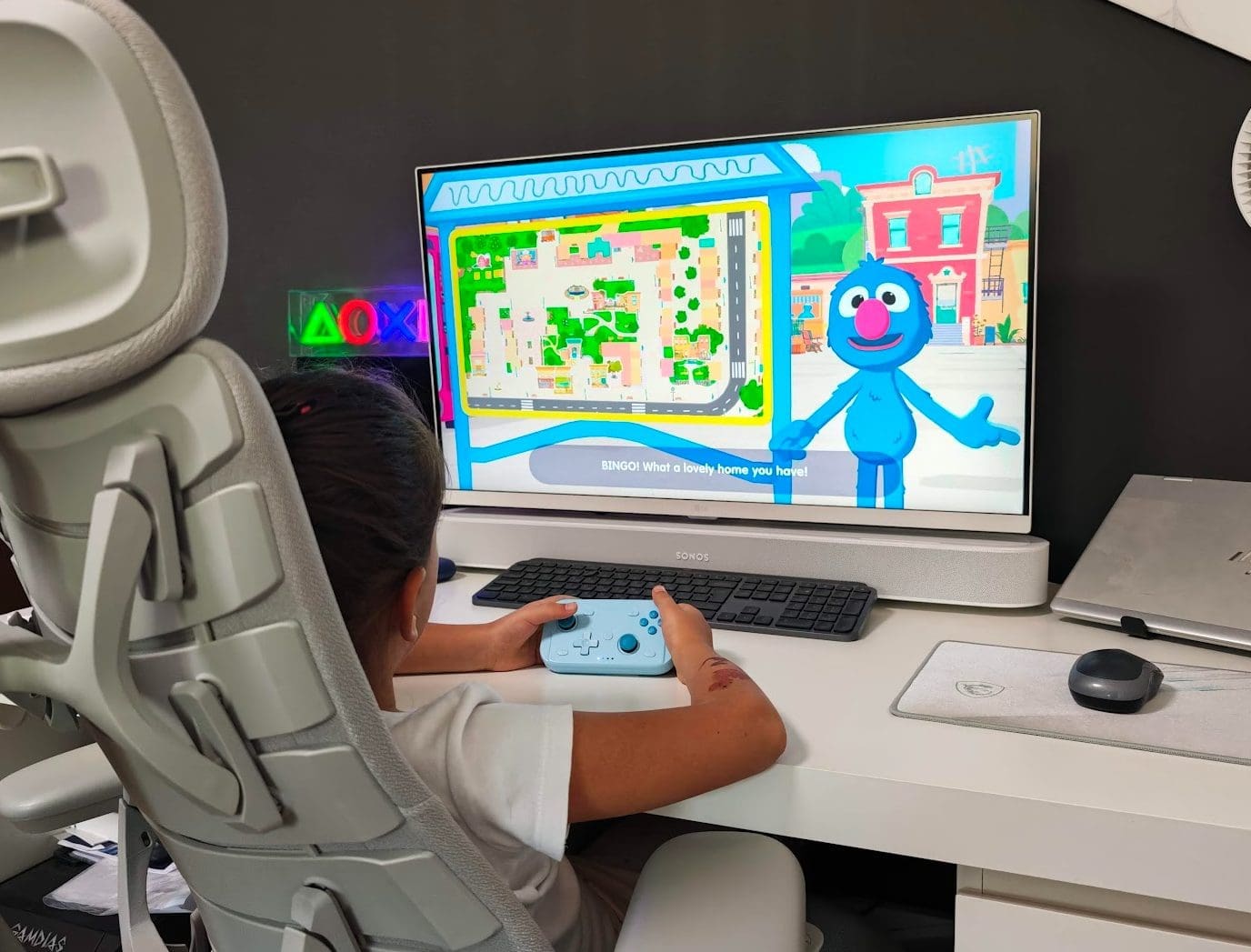
From an accessibility standpoint, the title features highly intuitive core navigation systems that make it playable across a remarkably broad age spectrum. Testing the game with very young children demonstrates its strong developmental design, as a five-year-old player is fully capable of independently operating the controls, understanding the spatial layout of the island, and exploring the environment without adult intervention. Even younger children, such as three-year-olds, find visual engagement in the bright aesthetic and character movements, making it a highly effective shared family experience that brings people together.

World Design and Exploration Architecture

The geographical layout of the island relies on open-ended exploration rather than rigid waypoint systems. Players control a young protagonist named Asti, who arrives on the island with her father and must integrate into the local community by interacting with various non-player characters. The design philosophy intentionally omits traditional guidance markers, often referred to in modern game design as yellow tape, to encourage organic discovery and reward player curiosity.

This lack of overt visual direction highlights the freedom of the environment, allowing players to wander peacefully at their own pace. Because the game embraces a pure exploration loop, wandering becomes a core feature that successfully mirrors the aimless freedom of a real childhood summer. It offers a calm, unhurried experience for users looking to fully immerse themselves in an artistic and relaxing setting.

Continue reading “Kioku Last Summer Review: A Beautifully Nostalgic Childhood Adventure”

Zenbook Cafe & Creative Hub: Where Art, Technology, and Gaming Converge in the Heart of Tel Aviv

In the heart of Tel Aviv, inside the unique space of the historic Matmon Library at Romano House, ASUS recently launched the Zenbook Cafe & Creative Hub, a four-day pop-up experience designed to bring together technology, creativity, design, and innovative thinking.

More than just a product showcase, the event transformed the library into a collaborative workspace and creative center, featuring expert talks, industry discussions, artistic exhibitions, and hands-on experiences with ASUS’s latest devices. The opening event, held last Wednesday, attracted creators, technology professionals, students, designers, and gaming enthusiasts eager to explore the growing relationship between advanced technology and modern digital creativity.

Continue reading “Zenbook Cafe & Creative Hub: Where Art, Technology, and Gaming Converge in the Heart of Tel Aviv”

Over the Hill Surges Past 150,000 Demo Players as Funselektor’s New Off-Road Adventure Captures Steam Audiences

The anticipation surrounding over the hill, the upcoming off-road exploration title from the creators of art of rally, has translated into an impressive early success. During its debut weekend on Steam, the game’s newly released demo attracted more than 150,000 players, giving enthusiasts their first opportunity to experience Funselektor’s latest vehicle-focused adventure. The strong response highlights growing interest in a genre that blends realistic off-road driving, open-world exploration, cooperative gameplay, and environmental storytelling.

Developed by Funselektor in collaboration with Strelka Games, over the hill shifts the studio’s focus from competitive rally driving to a slower-paced exploration experience centered around traversing challenging natural environments. While the studio became known for its minimalist visual style and highly regarded driving mechanics in art of rally, this new project expands upon those foundations by emphasizing discovery, teamwork, vehicle preparation, and interaction with wildlife-rich environments.

Continue reading “Over the Hill Surges Past 150,000 Demo Players as Funselektor’s New Off-Road Adventure Captures Steam Audiences”

Xsolla Club: Building A Home For The Gaming Industry

Last Monday, I attended an event by Xsolla in Tel Aviv.

At first, it felt like another gaming industry gathering.

But this wasn’t another standard networking event.

It was the announcement of something much bigger.

A new hub built specifically for people in the gaming industry. A place designed for thinking, collaborating, meeting people from across the industry, and creating new ideas together.

And according to the vision presented during the event:

This is only the beginning…

The Tel Aviv location is the first gaming hub of its kind created by Xsolla, with plans to open more spaces like this around the world in the future.

The space itself includes gaming rooms where developers can test games, meeting rooms for small teams, quiet working areas, shared workspaces, and even a dedicated podcast room.

During the event, I had the opportunity to sit down with Nikita Sherman,

I had the opportunity to sit down with Nikita Sherman, SVP Business Development Mediterranean at Xsolla, who leads the company’s partnerships, ecosystem growth, and industry initiatives across the region.

Continue reading “Xsolla Club: Building A Home For The Gaming Industry”

Grounded in the Clouds: Why “Legendary Pilots” is the Cozy Aviation Sim We Needed

The flight simulation market has long been dominated by two extremes: arcade-focused titles with little substance, and ultra-realistic behemoths like Microsoft Flight Simulator or X-Plane that require a physical flight rig, a massive installation footprint, and a literal pilot’s license worth of training just to turn the engines on.

Enter Legendary Pilots, a refreshing indie title that brilliantly carves out its own distinct airspace. By pairing gorgeous retro aesthetics with accessible, low-stress gameplay, it serves as the perfect, cozy introduction to commercial aviation for enthusiasts and casual players alike.

Below is an in-depth review of what makes this charming title a standout addition to your digital hangar.

Retro-Modern Aesthetics and Atmospheric Vibes

The very first thing that captures your attention is the game’s striking presentation. It leans heavily into a nostalgic, vibrant pixel-art style reminiscent of the classic Pilotwings era or 1980s Commodore 64 gems like Solo Flight, yet it feels undeniably modern and smooth in motion.

The visual design is incredibly pleasing, featuring beautiful external cruise cameras, vibrant color palettes, and impressive weather effects that add a layer of organic beauty to your flights. The head-shake effect inside the cockpit feels brilliantly tactile, while the incredibly cozy, cheerful soundtrack elevates the entire experience. It is the definitive “early morning coffee” game—perfect for unwinding after a long day or playing casually on a handheld device like the Steam Deck.

Accessible Gameplay: Making Aviation Approachable

Legendary Pilots excels at bridging the gap between casual gaming and traditional flight simulation. It strips away the intimidating 40-minute pre-flight checklists and endless online manuals, allowing you to hop straight into the cockpit and experience the most rewarding segments of flight: takeoffs, manual steering, and landings.

The underlying mechanics strike a masterful, forgiving balance between casual ease of use and light complexity. The flight controls feel highly playable and responsive whether you are using a standard keyboard, an Xbox controller, or even mapping a flight yoke.

The navigation layout introduces players to authentic aviation elements, featuring a simplified, intuitive Radio-Compass system using ADF (Automatic Direction Finder) frequencies and runway headings. Programming your basic autopilot and watching your twin-prop airliner intercept the destination runway heading—especially during low-visibility cloud cover or tricky crosswinds—provides an immense sense of accomplishment without the real-world stress.

Progressive Career Mode & Light Management Tycoon

At its core, the game features an engaging progression loop built around a pilot’s career and a light “Euro Truck Simulator” style business model. You start your journey operating a modest Convair regional twin-prop, flying short regional legs to earn cash and experience points (XP).

As you progress and gain promotions, you can unlock a highly unique, charismatic roster of aircraft—ranging from vintage Russian planes like the Antonov An-26 to iconic regional jets, culminating in the classic Boeing 737-200.

The economy system gives you a genuine reason to keep flying:

  • Fleet Management: Purchase new aircraft, expand your reach, and monitor fleet wear by managing routine maintenance.
  • Crew Management: Hire and interact with flight attendants and co-pilots. Better crew skills directly impact passenger contentment and boost your cash-per-flight revenue.
  • Mission Variety: Take on distinct gameplay types, including standard passenger routes, essential cargo deliveries using manual compass heading intercepts, and thrilling aerial firefighting operations where you navigate via radar to accurately drop water on active targets.

For players who prefer to focus purely on the art of flying, the game offers a thoughtful “move to last leg” fast-travel prompt after reaching cruising altitude, allowing you to skip straight to the final approach and manual landing without losing your momentum.

The Verdict: A Cozy Gem with Massive Potential

Priced incredibly fairly at around $8 to $10, Legendary Pilots delivers tremendous value. Developed by a passionate, small indie team, it is a game built out of a pure love for aviation. It manages to make commercial piloting feel therapeutic, rewarding, and highly addictive.

While its streamlined mechanics won’t replace a hardcore flight simulator, it isn’t trying to. It provides a unique, relaxing, and stylized journey through the skies that is well worth your time.

Our Rating: 8 / 10

First Hour Gameplay Stream

To see the game in action, check out our full video broadcast below, documenting the first hour of flight time, basic navigation training, and grinding out early routes until unlocking our very first professional pilot rank.