
Video Game News & Reviews from hardcore gamers
-

NBA BOUNCE Gets Ready for the 2026–27 NBA Season With Updated Team Uniforms, Logos, and Mascot Details
NBA BOUNCE is preparing for the 2026–27 NBA season with a new update that refreshes the visual identities of several teams, bringing updated uniforms, logos, colors, and mascot details to the family-friendly basketball game. Announced by Outright Games on October 14, 2026, the update introduces new looks for the Chicago Bulls, Minnesota Timberwolves, and Houston…
-

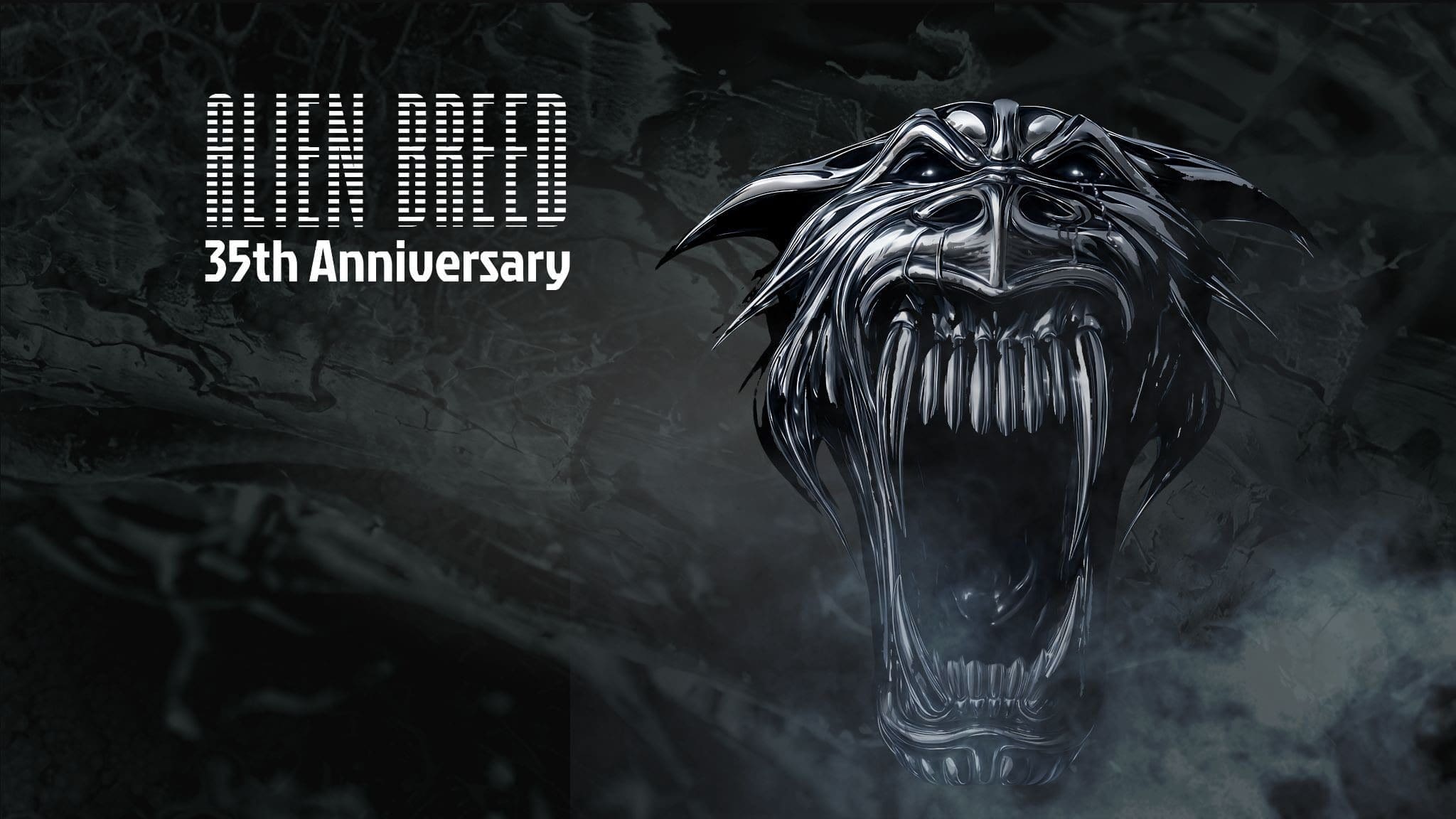
Alien Breed 35th Anniversary Collection Brings Six Classic Sci-Fi Horror Games Back for Halloween
The Alien Breed 35th Anniversary Collection brings back one of the most recognizable names in classic science-fiction horror gaming, celebrating more than three decades of alien encounters, claustrophobic corridors, overwhelming enemy hordes, and survival-focused action. Originally introduced in 1991 during the golden age of Commodore Amiga gaming, the Alien Breed franchise developed a reputation for…
-
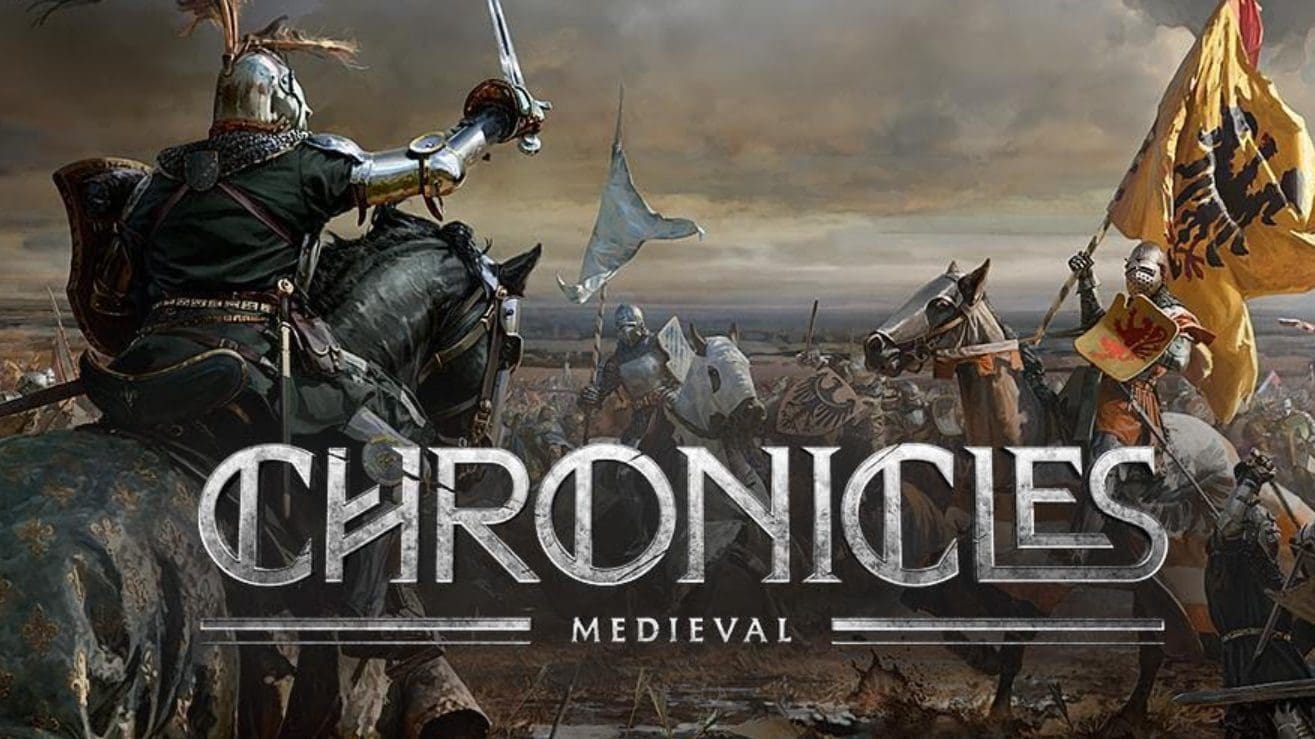
Chronicles: Medieval Reveals Its Soundtrack and Dynamic Battle Audio in New Developer Diary
Raw Power Games has released the fifth developer diary for Chronicles: Medieval, offering a closer look at the music and sound design behind its upcoming open-world medieval sandbox. Titled The Sound of Chronicles: Medieval, the new episode features composer Knut Avenstroup Haugen and senior audio designer Troels Jørgensen, who explain how period-inspired instrumentation, atmospheric compositions,…
-
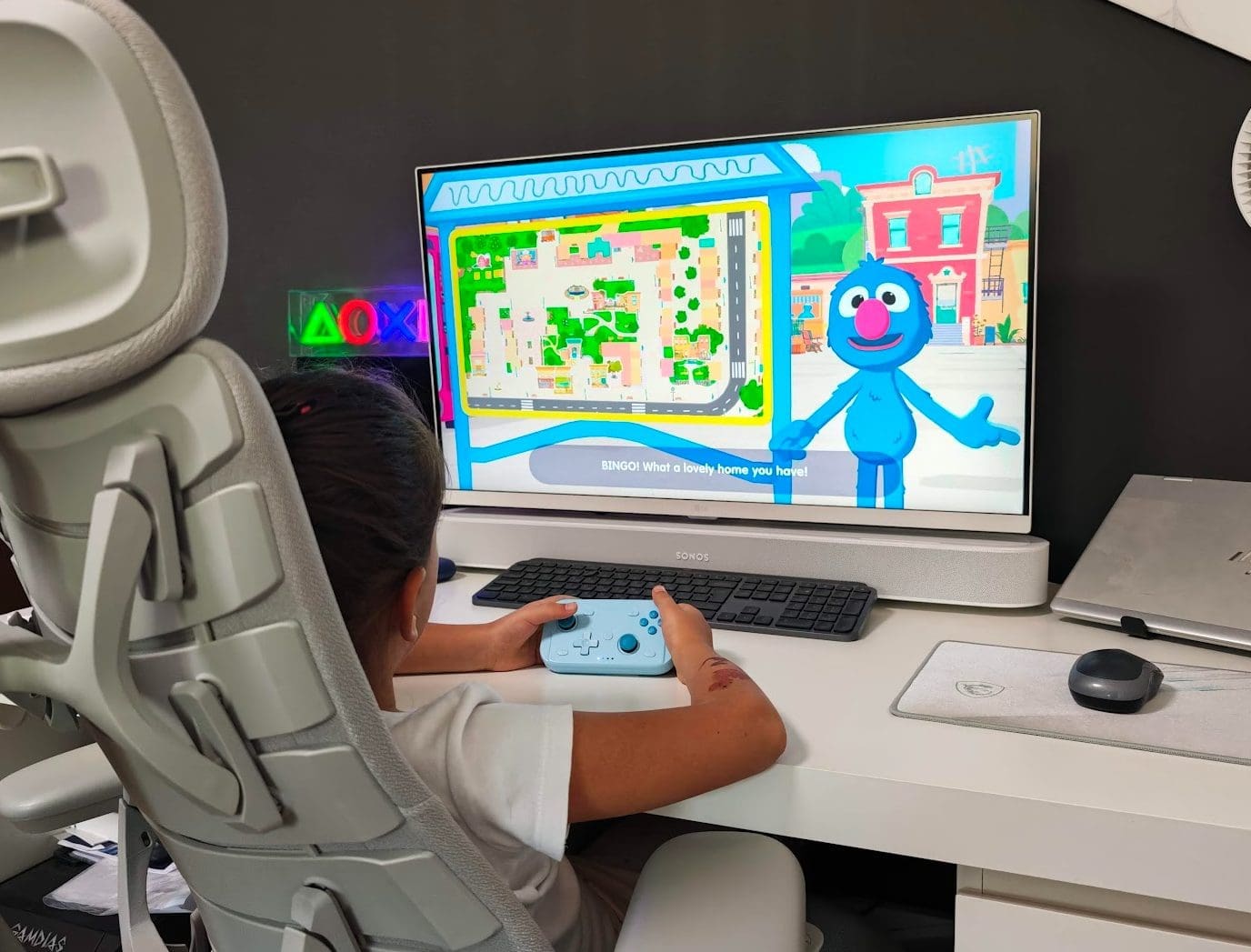
Sesame Street: Friends & Fun Review – A Wonderful Family Adventure That Keeps Kids Playing Together
Sesame Street: Friends & Fun is a colourful family adventure that brings Elmo, Cookie Monster, Abby Cadabby, Big Bird and other beloved characters into an interactive world filled with mini-games, exploration, creativity and educational activities. Developed and published by Outright Games in collaboration with Sesame Workshop, the game launched on October 9, 2026, for Nintendo…
-
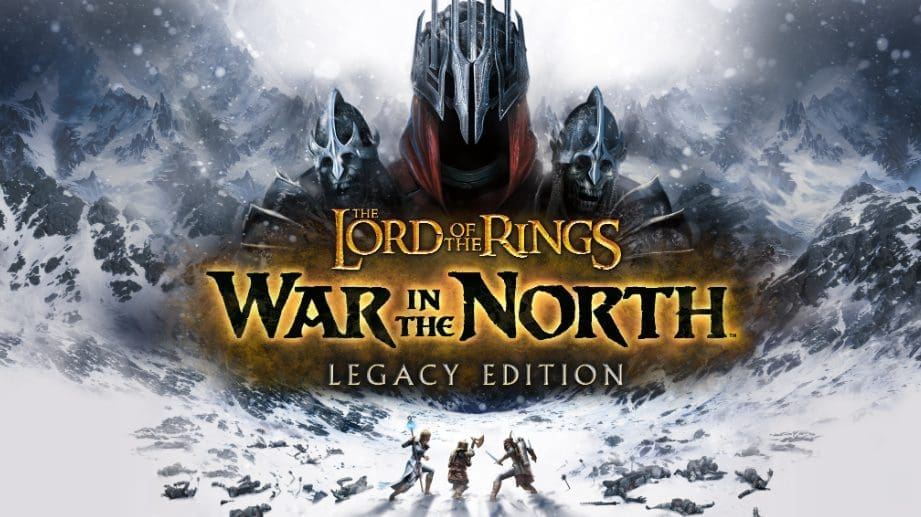
The Lord of the Rings: War in the North – Legacy Edition Brings the Action RPG Classic to Modern Consoles
A Classic Middle-earth Adventure Returns Limited Run Games is bringing a cult-favorite Lord of the Rings action RPG back to modern gaming platforms with the physical release of The Lord of the Rings: War in the North – Legacy Edition. Originally released in 2011, the action-heavy third-person role-playing game is returning in physical form for…
-
Farming Simulator 25 Expands Its Fleet with Free Content Update #7 and New Sola Brand
Farming Simulator 25 has received another free expansion to its virtual agricultural ecosystem with the release of Free Content Update #7. Developed and published by GIANTS Software, the latest update adds four new machines and vehicles, introduces the Sola brand to the franchise for the first time, and brings additional visual improvements to the game’s…
-
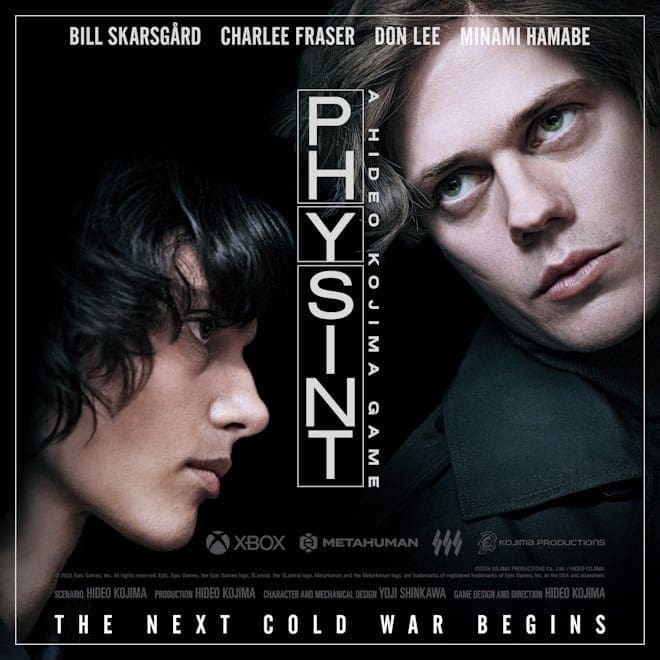
Bill Skarsgård Confirmed as the Lead Actor in Hideo Kojima’s PHYSINT
KOJIMA PRODUCTIONS has officially confirmed Swedish actor and producer Bill Skarsgård as the lead actor in PHYSINT, the upcoming action-espionage game being developed by Hideo Kojima and his independent studio. The announcement was made on September 17, 2026, alongside a new promotional poster featuring Skarsgård and Charlee Fraser, while the project is also expanding its…
-
LEGO Batman: Legacy of the Dark Knight Launches on Nintendo Switch 2 With New Mayhem Collection DLC
Warner Bros. Games, TT Games, DC, and The LEGO Group have officially expanded the platform availability of LEGO Batman: Legacy of the Dark Knight, with the action-adventure title now available on Nintendo Switch 2. Alongside the new Nintendo platform launch, the developers have also released the Mayhem Collection DLC, introducing The Joker and Harley Quinn…
-
Xsolla’s Rosh Hashanah Event in Tel Aviv Proved Why Physical Gaming Events Still Matter
A Smaller Room, but a Much Bigger Opportunity On September 9, I attended Xsolla’s Rosh Hashanah event in Tel Aviv, and for me the most interesting part actually started before the larger evening celebration. The first part took place at Xsolla Club TLV and was deliberately small, bringing together a focused group of people who…
-
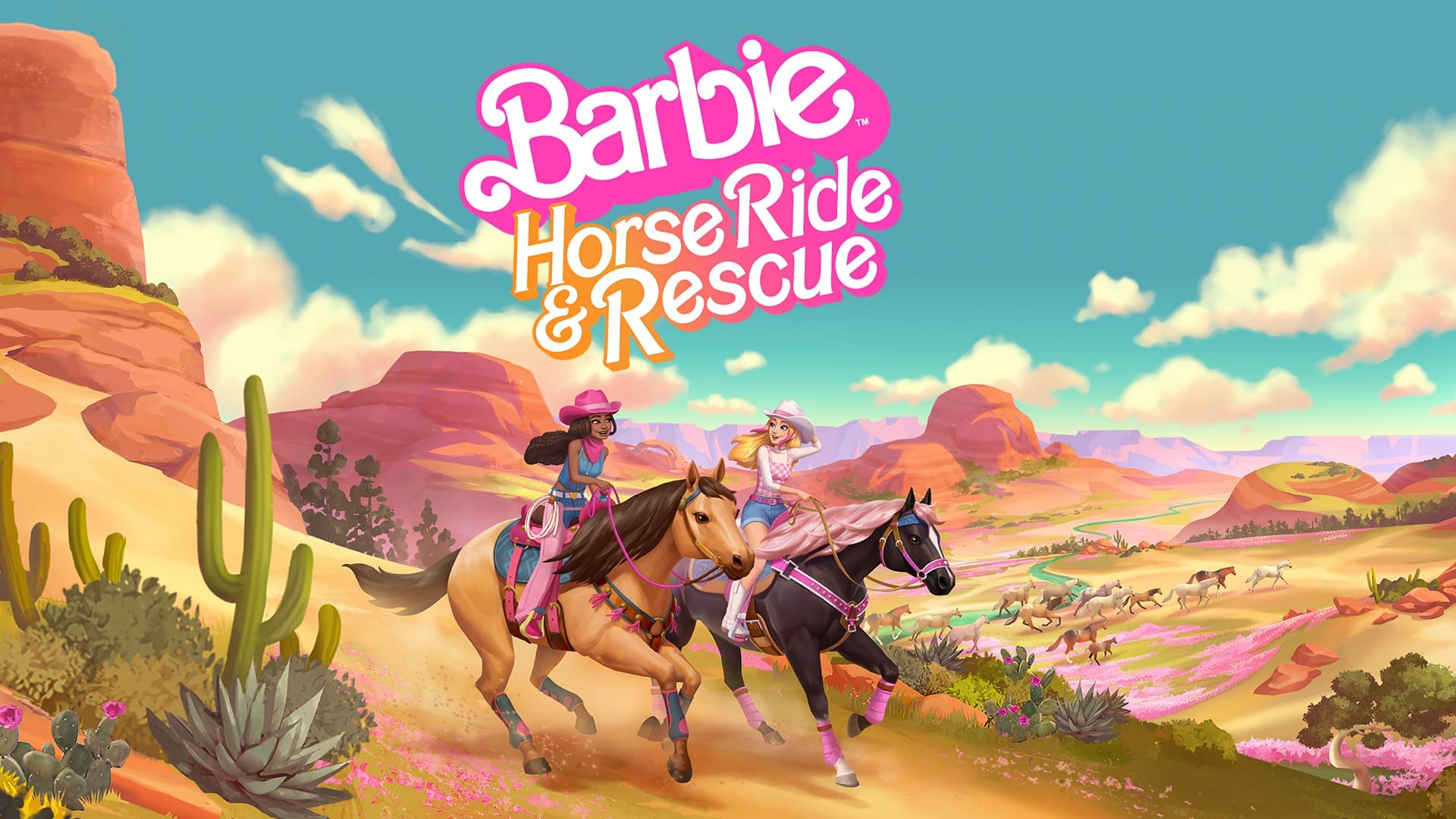
Barbie: Horse Ride & Rescue Brings a Cozy Equestrian Adventure to PC, Switch 2 and Mobile
PikPok and Mattel are bringing players into a colorful new Barbie adventure with Barbie: Horse Ride & Rescue, an equestrian-focused game designed around horse rescue, exploration, customization, fashion challenges and story-driven discovery. Developed by the New Zealand studio behind the Rival Stars Horse Racing franchise, the game will launch globally on mobile on June 16,…



Got any book recommendations?